Why CAC is rising: and the 4-layer fix every D2C brand needs in 2026
Audience exhaustion, creative fatigue, weak offers, and broken funnels. Here's the order of operations to fix them.
By Hem Meisheri · Performance Marketer for D2C & B2B Brands · June 2026
The numbers are not lying
Customer acquisition cost across D2C categories rose 38% year over year between 2024 and 2026. If you're feeling it in your P&L, you're not imagining it. The Meta algorithm is more competitive than it has ever been. iOS privacy changes compounded tracking loss. And most brands responded by spending more, which pushed CPMs higher for everyone.
But here's what most brands miss: CAC is not one problem. It's four problems layered on top of each other. Treating it as a single problem is why most CAC reduction attempts fail within 30 days.
Layer 1: Audience exhaustion
When your ad shows to the same person more than 3 times in a 14-day window, click-through rate drops by an average of 40%. The algorithm interprets this as poor creative quality and raises your CPM.
Most brands notice this as "the campaign stopped working" around week 3 or 4. The creative didn't stop working. The audience ran out.
The fix: Expand your targeting. If you're running broad, layer in fresh lookalike seeds from your best customers, not all customers. Run a separate campaign to a completely cold audience while letting your primary campaign rest for 7 days. The 7-day rest resets the algorithm's frequency count.
Layer 2: Creative fatigue
The average thumb stops scrolling for 0.8 seconds before deciding whether to keep watching or keep scrolling. That decision is made entirely on the hook, the first 3 seconds of your video or the first line of your image copy.
Most D2C brands test 2-3 creatives per month. Brands that are winning in 2026 are testing 8-12 hooks per month, not full videos. Just the first 3 seconds with the same body. This is how you identify winning angles without producing 12 full ad concepts.
The fix: Separate your creative testing from your campaign scaling. One campaign tests hooks at low budget (₹500/day per ad). One campaign scales your proven winner. Never mix the two.
Layer 3: Weak offer architecture
A high CAC is often not a targeting problem or a creative problem. It's an offer problem. The thing you're asking the customer to do, buy, sign up, trial, is not compelling enough at the price and risk level you're asking them to accept.
In a market where every D2C brand is running ads, the brand with the strongest offer wins the sale regardless of creative quality. The offer is the most underleveraged element in most D2C brands' marketing.
The fix: Audit your offer against three variables: risk reversal (what happens if they don't like it), proof (why should they believe you), and urgency (why now vs tomorrow). Improve the weakest of the three before touching the creative.
Layer 4: Broken post-click experience
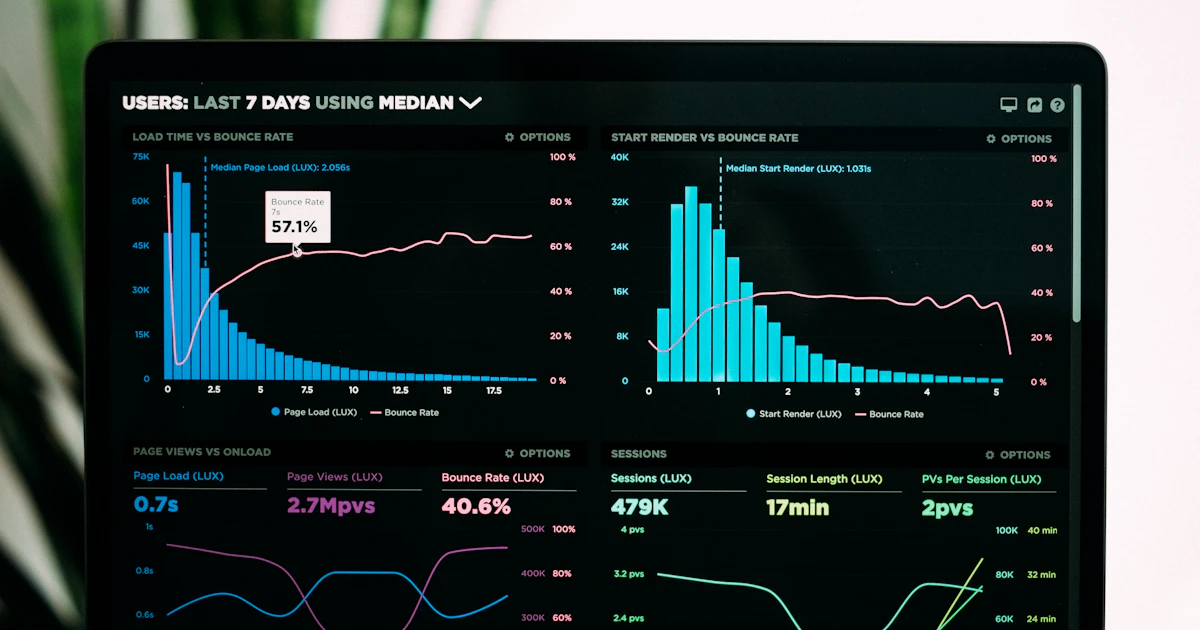
You've fixed your audience, your creative, and your offer. But if the landing page takes 4 seconds to load on mobile, you've lost 53% of the visitors who clicked before they see a single word. If the page loads fast but the headline doesn't match what the ad promised, bounce rate spikes and conversion rate collapses.
The ad's job is to get the click. The landing page's job is to convert the click. Most brands blame the ad when the landing page is the actual problem.
The fix: Run a 7-second test on your landing page. Show it to someone who has never seen it. Give them 7 seconds. Ask them what you sell and who it's for. If they can't answer clearly, your landing page is the problem. Fix the headline before fixing anything else.
The order of operations
Fix in this exact order:
- Landing page (fastest to fix, highest leverage)
- Offer architecture (mid-difficulty, high leverage)
- Creative hook testing (ongoing, compounds over time)
- Audience expansion (low difficulty, often overlooked)
Most brands fix in the wrong order, they test new creatives before fixing the landing page. This wastes creative budget on a broken funnel.
What this looks like in practice
At Bartisans, a D2C cocktail mixer brand, we ran a profitability audit before touching the campaigns. Identified that their landing page was converting at 1.2% on paid traffic. Fixed the page first, brought conversion to 2.8%. Then scaled the campaigns. Result: 5.53x ROAS on ₹1.32L in spend, 1.28M unique accounts reached.
The CAC dropped not because of a better campaign. Because we fixed the system the campaign was feeding into.
If your CAC is rising and you're not sure which layer is the actual problem, I do a free 20-minute audit.
Message me on WhatsApp